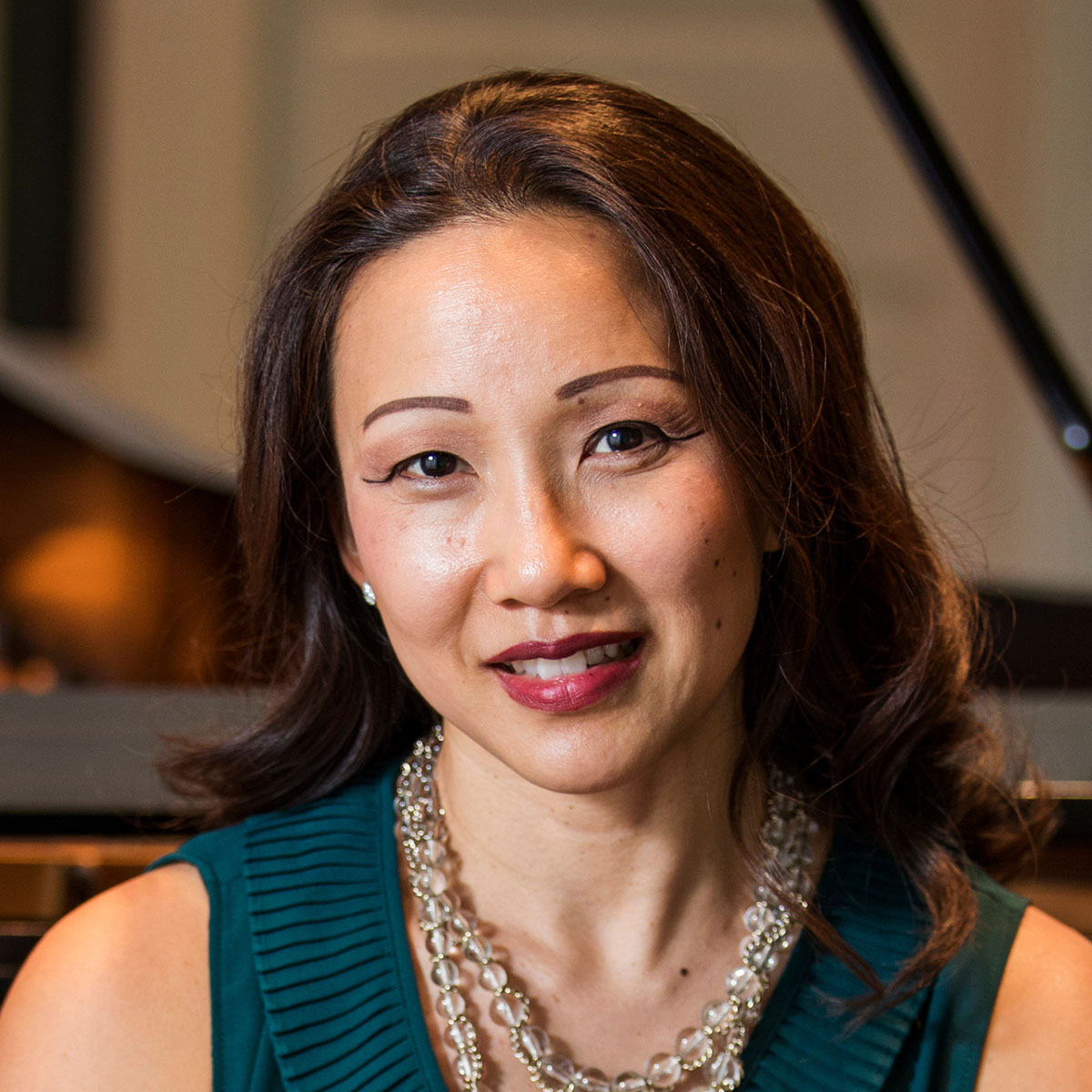
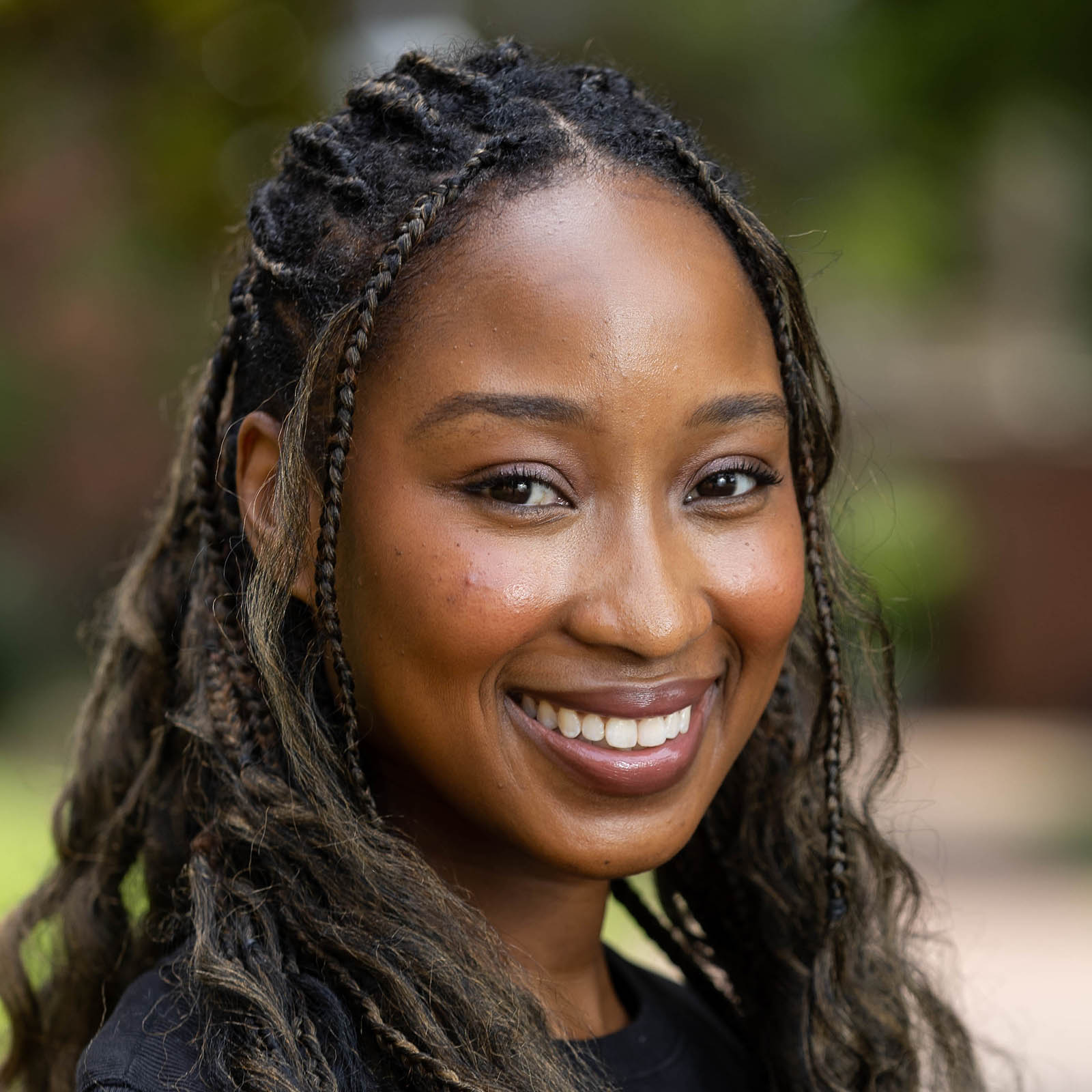
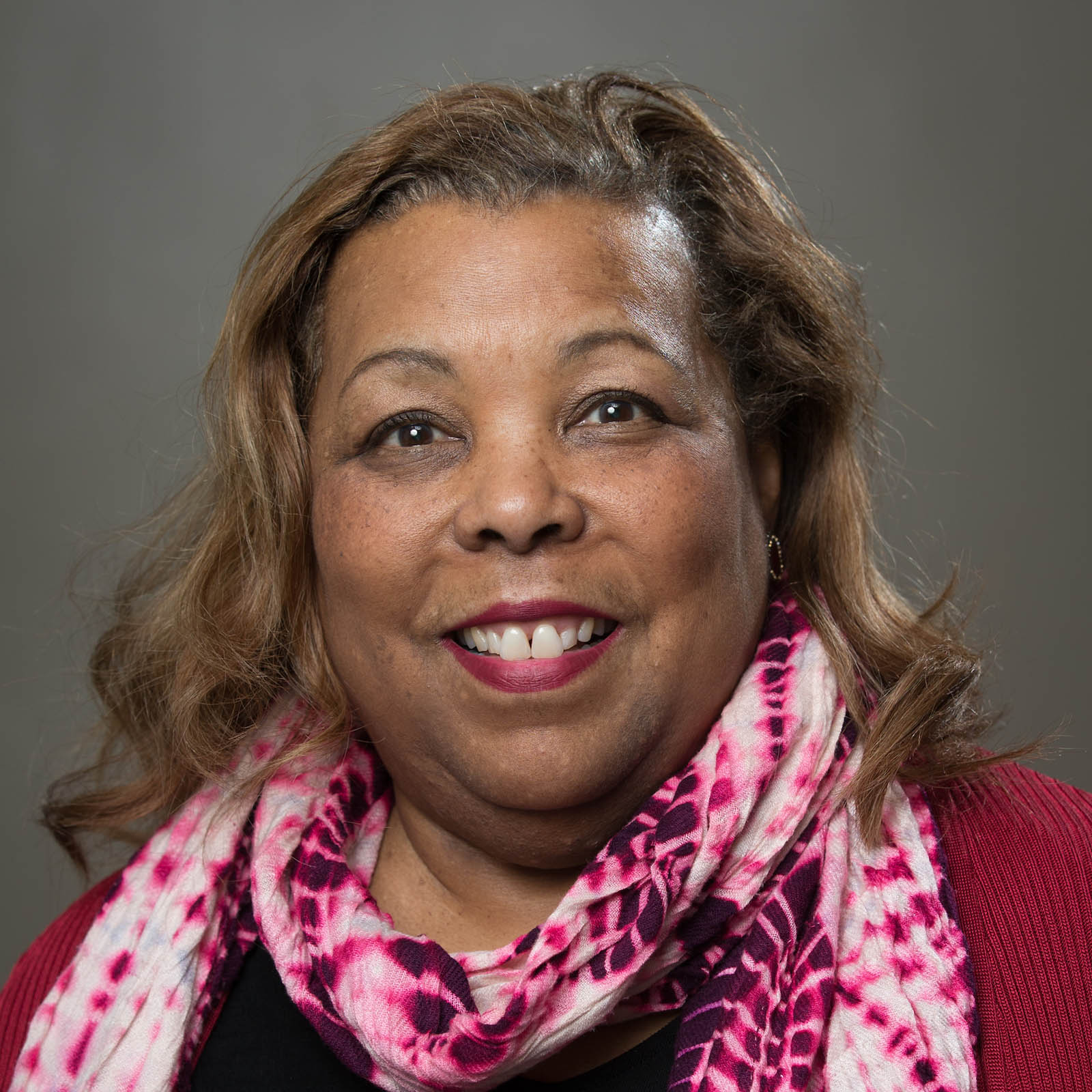
Hermina Hendricks
Senior Lecturer in Music
A native of Lynchburg, Virginia, Hendricks is a music educator and multicultural student advocate. She teaches music history courses, such as Jazz Appreciation and Popular Music in America.
She is presently the Organist and Choral Director of the Senior Choir at Diamond Hill Baptist Church in Lynchburg, VA and is also the artistic and music director for the “Soulsters from the Hill” (DHBC), vocal ensemble specializing in the presentation and preservation of black spirituals derived out of the century in America, and in the century spiritual music genre.
She teaches Music Appreciation courses part-time at Central Virginia Community College.
During the early 1990s, Governor Gerald Baliles appointed her to the Virginia Commission for the Arts, serving for five years and later was appointed to serve on the National Endowment for the Arts – Arts Education Review Board in Washington, D.C. Those appointments enabled Hermina to become exposed to the vast arts agencies and institutions not only in Virginia but throughout America that were totally committed to having diverse arts programs in their respective locales for citizens to experience and enjoy the value of the arts- musical, visual, theatrical, etc. Her service in these distinct organizations allowed her to see the larger picture of why art is so important and vital to each individual throughout America.
She serves or has served as a member of the Lynch’s Landing Board of Directors, The Get! Downtown Steering Committee (an annual downtown festival to welcome local college students to Lynchburg), Area II Advisory Panel for the Virginia Commission for the Arts, the Sphex Club, The Lynchburg Chapter of The Links, Inc., The Lynchburg Chums, Inc., The Roanoke Chapter of The Girlfriends, Inc., Delta Kappa Gamma Society International, Friends committee of Sankofa Arts, and Pink Auction Steering Committee.
Her ongoing research project, “A Journey Taken”, explores the life and educational contributions of Clarence W. Seay, principal and educator of Dunbar High School in Lynchburg, VA 1938-1968. Her other project, “My Soul Has Grown Deep”, explores the growth and development of African American spirituals.